Neospin Casino Login Australia: Fast Access

Log in to Neospin from Australia with a clean routine: confirm details, set limits, and reach games without getting stuck.

Fortune Gems 2 Slot

Table of Contents

  • The Dog House Megaways Slot
  • Lucky Joker 10 Extra Gifts Slot
  • Sword of Ares Slot
  • Floating Dragon Hold & Spin Slot
  • Leprechaun Riches Slot
  • Fruit Cocktail Slot
  • The Dog House Megaways Slot
  • Sword of Ares Slot
  • Fruit Million Slot
  • The Dog House Megaways Slot
  • Big Fisherman Slot
  • Big Fisherman Slot
  • Seven Books Unlimited Slot
  • Neospin Fortune Slot
  • Sword of Ares Slot
  • Floating Dragon Hold & Spin Slot
  • 9 Mad Hats Slot
  • Floating Dragon Hold & Spin Slot
  • Big Bass Splash Slot

Neospin Casino Australia Login: The 2-Minute Check

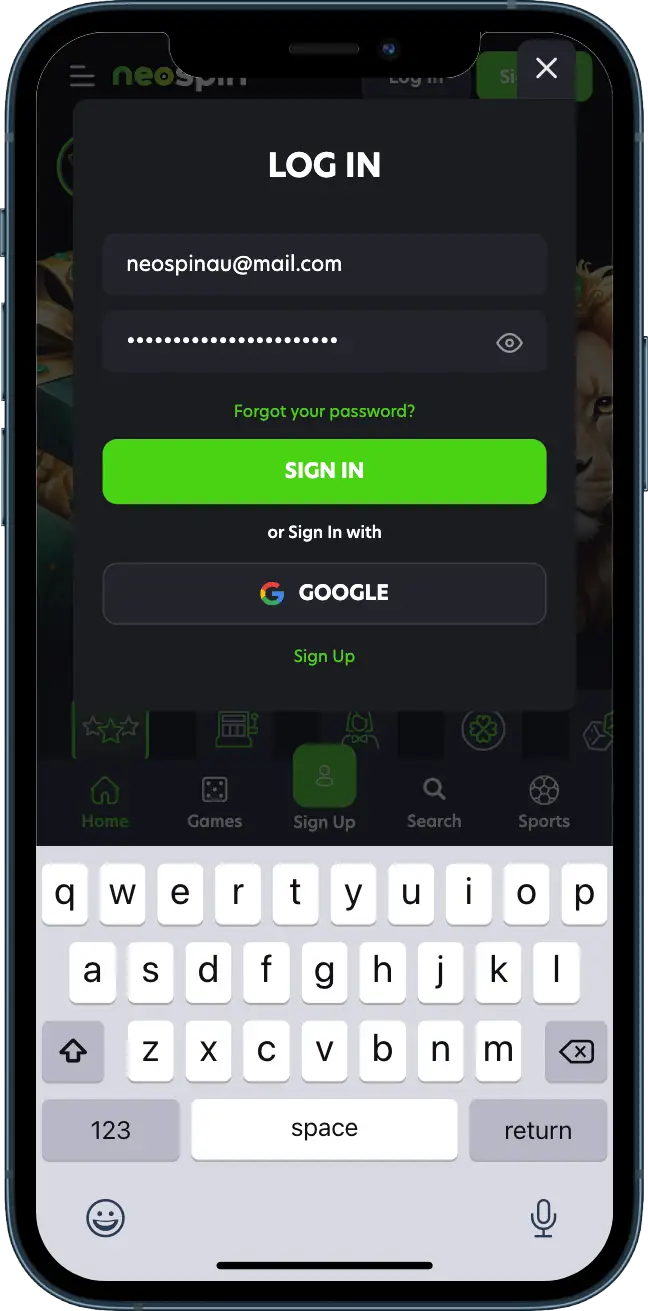
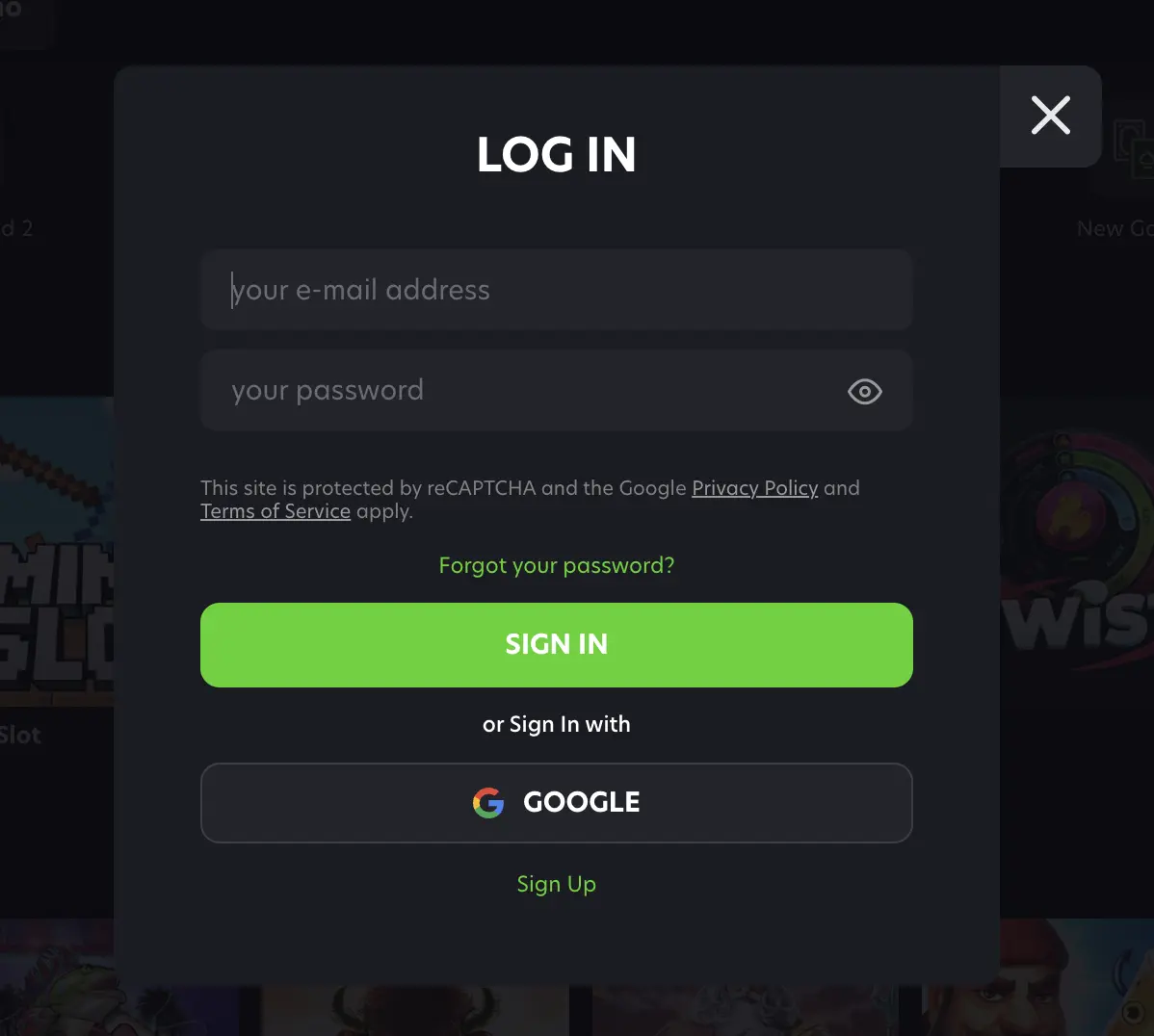
Do a quick “dry run” before you play. Imagine you have ten minutes, you just want to get in, check one setting, and move on - no loops, no guessing. Start with profile details, then security, then your history screen, in the same order every time.

Login 1

This matters in Australia in 2026 because the sign-in flow can change depending on your security options and what the platform needs you to confirm. Keep it simple: adult-only, age-restricted access, and you follow the prompts you actually see, not what someone claimed elsewhere.

Neospin Login Australia: When Codes Do Not Arrive

Picture the usual trap: you tap “send code” three times, then get three messages and none work. Pause, wait a full minute, and check spam or filtered folders before you request a new one. Stick to one device for that attempt, use the newest code immediately, and avoid stacking requests.

If you keep missing codes, look at timing and context. People often request a code, switch apps, forget, then come back when it has already expired. Keep the code screen open, copy carefully, and finish the step before you do anything else.

Login 2

Sign-In Problems You Can Fix Without Guessing

Most access issues are small and fixable, but people make them bigger by rushing. Imagine it is late, the page reloads once, and you start flipping settings at random - now you do not know what caused what. Use a checklist: one change, one retry, then a short pause.

If nothing improves after a couple of clean attempts, stop and contact support with a clear description. You will save more time by being specific than by trying ten “maybe” solutions.

One more practical trick is to separate “account” problems from “device” problems. Try the same action on a different browser or a private window without changing your details, just to see if the behavior follows the device. That quick comparison often tells you whether you should keep troubleshooting locally or ask for help.

Password Resets Without Locking Yourself Out

A reset goes wrong when you treat it like a memory test. Picture a player trying five passwords, getting blocked, then panicking because even recovery feels “stuck.” Switch to recovery early, request one reset, and keep the same window open until it completes.

Create a new password you will not forget, store it securely, then log out and sign in again on purpose. That second login is a quick proof that you are not riding on a temporary session.

Before you reset again, check your recovery channel. If your email inbox is full, filtered, or you no longer have access to it, recovery turns into a dead end. Keep your recovery email and phone number current, because that one boring update prevents a lot of “I cannot get back in” stress later.

Two-Factor And Email Codes: Getting Them Fast

Two-factor checks protect you, but they punish impatience. Imagine you are on weak reception and the code arrives late, so you keep requesting new ones and the timer never lines up. Use one device, keep your inbox or authenticator ready, and make sure your phone clock is set automatically so codes stay in sync.

If a code fails, do not assume the whole system is broken. Often it is a stale code, a copied extra space, or a countdown that expired while you switched apps. Request one fresh code, enter it immediately, and treat speed as accuracy, not as rushing.

Browser, Cache, And Device Conflicts

Sometimes the problem is old session data, not your details. Picture logging in on a shared computer, then getting odd errors at home because cookies are conflicting. Try a private window or clear site data once, then retry; avoid changing account info while you troubleshoot.

Also watch for hidden typos. Autofill can insert an old email, a trailing space, or the wrong keyboard layout, especially on mobile. If the login screen keeps failing, type everything manually and double-check character by character before you press confirm.

Login 3

Safe Account Habits For Adult Play

Easy access is not the goal; controlled access is. Imagine you sign in smoothly, then realize you never set limits, so the session stretches longer than planned just because it is convenient. The fix is to set boundaries before the first spin, not after you are already invested.

Start with device hygiene. Use a private device, lock your phone, and do not save passwords on shared machines. If you must sign in somewhere else, log out fully and close the browser - treat it like you are borrowing something personal.

Now set a session plan: time window, spend cap, and a stop signal you will respect. Picture the moment after a small loss when reloading feels “reasonable” - that is exactly when a timeout helps. Use cooling-off tools to break autopilot, not to punish yourself.

Keep your money actions separate from your play actions. A simple habit is to decide deposits and withdrawals when you are calm, then play later, instead of doing both in the same emotional moment. If you catch yourself making payment decisions while tilted, step away and come back after a break.

Keep your history screen as a habit, not a reaction. After each session, check deposits and withdrawals quickly, then log out. It is a two-minute routine that keeps your play grounded.

Finally, watch your pace. If you notice faster clicks, bigger stakes to “fix” a feeling, or repeated logins out of habit, step away. Responsible play in 2026 is mostly about noticing the moment your mood takes the wheel.

Cashier Access After Login: Deposits And Cashouts

Treat the money menu like a control panel, not a panic button. Imagine you win a bit, decide to withdraw, and suddenly cannot find the status details - that confusion pushes people into bad decisions. Learn the cashier once, then keep it boring.

Before you deposit, decide whether this is a test session or a planned one. For a test, keep it small and focus on process: balance updates, history entries, limit settings. For a planned session, set limits first, fund once, and avoid reloads.

Read the payment notes that sit next to each method. Players often skip them, then get surprised later by a missing step or an extra confirmation. If something is unclear, pause and ask support before you move money, because fixing confusion early is easier than fixing it mid-withdrawal.

For withdrawals, consistency matters more than speed. Picture submitting a payout and then editing profile details because you spotted a tiny typo - that can trigger extra checks and make the request feel slower. Keep details stable while anything is pending.

Use the transaction history as your anchor. If a label changes, note what it said and when you saw it. That keeps you from refreshing every minute and it gives support something concrete if you need help.

Action You Take

What To Prepare First

Common mistake

Better Habit

Add funds

Budget and time window

Deposit first, plan later

Set limits, then fund once

Request a payout

Consistent profile details

Edit info mid-request

Keep details stable until done

Track status

History screen and timestamps

Refresh constantly

Check on a schedule

Fix a failed attempt

One clear question

Change everything at once

Change one item, retry once

Depositing With A Budget First

Deposits are fast, which makes over-spending feel effortless. Imagine you planned twenty minutes, but you keep topping up in “small” chunks and the night disappears. Decide your maximum before you fund, and keep deposits to a single planned action whenever possible.

If you feel the urge to reload, pause and label the feeling. Are you still entertained, or are you chasing? When it is chasing, a break is usually the smarter move than more money.

If you share a device with someone at home, avoid leaving the cashier open in the background. It sounds minor, but it increases impulsive taps, especially on mobile. Close the cashier screen when you are done and return to it only if it matches your plan.

Withdrawing Calmly: Verification And Details

Withdrawals work best when you treat them like paperwork. Picture a player cancelling and resubmitting twice because they are nervous - now the request history is messy and support has to untangle it. Submit one clear request, respond to exact prompts, and avoid extra changes until it finishes.

If the platform asks for verification steps, handle them early and with clean images. A boring withdrawal is a good withdrawal.

When you check status, focus on what the system is waiting for, not on what you hope happens next. If a document is requested, provide that and stop there. If no action is requested, your best move is patience, not repeated edits.


Support, Timeouts, And Self-Exclusion Controls

Support is most useful before you are angry. Imagine you are stuck on a code screen and you send five short messages with no details - now the conversation starts messy. Write one clear note: what you tried, what you expected, what you saw instead, and the rough time.

It also helps to include the last moment things worked. For example, “I signed in successfully yesterday on desktop, today mobile fails” gives support a starting point. Small context reduces back-and-forth and gets you to a real answer faster.

Timeouts and self-exclusion are practical switches, not labels. If you notice repeated logins out of habit or you cannot stop reloading, use a cooling-off period and let the urge pass. Adult-only entertainment works best when the exit is easy and intentional.

In 2026, close the loop every session: sign in, follow your plan, check history, log out. That last step is a control tool by itself.

How To Ask Support So You Get A Clear Answer

If you want a useful reply, write like you are reporting a problem. Imagine the difference between “it does not work” and “I requested a code twice, the second arrived first, and the first failed - which one is valid?” Include device type, whether you changed networks, and any status label you saw in history, then wait for the response instead of spamming follow-ups.

FAQ

Start with one calm pass: open a private window, retype your details manually, and request one fresh recovery code, then use it immediately. Imagine you keep switching between phone and desktop and miss the time window - pick one device for the attempt and keep the code screen open. If it still fails after a couple of clean tries, message support with the device type, approximate time, and what you saw on-screen so they can check the right step.

Stop guessing early and use recovery. Request a reset once, keep the window open, set a new password, save it securely, then log out and sign in again to confirm it works. If you play on multiple devices, update the password on your main device first so you do not accidentally try the old one out of habit. Also confirm you can access the recovery inbox, because reset messages do not help if you cannot open them.

These checks usually appear when details need to match before money moves out. Picture submitting a payout and then editing your profile - that change can trigger a re-check and it feels like a delay. Complete verification steps early, keep details stable during a pending request, and respond only to the exact item asked for. The calmer you keep the process, the fewer extra steps you create for yourself.

Set a spend cap and a time window before you start, then use a timeout when your mood shifts after a win or a loss. Imagine you are about to reload just to “fix” a feeling - that is your cue to pause, drink water, and step away for a few minutes. Limits remove negotiation and make stopping easier, especially when your attention starts narrowing.

If you repeated the same clean step twice and nothing changes, it is time to ask for help. Include what you tried, what you expected, what happened instead, and the rough time. If you can, mention whether the last successful sign-in was on phone or desktop, because that clue often points to a device or session issue. One clear message beats ten short follow-ups that split the context.

Use a simple loop: sign in, set a plan, play inside it, check your history, then log out. If you notice faster play, bigger stakes to “fix” a feeling, or repeated logins out of habit, take a cooling-off break and let the urge fade. The goal is entertainment within your boundaries and within applicable rules, not proving anything to yourself in the moment.